Radiation: One week down, five to go

Today, I’m feeling better than I was. There’s a sense of accomplishment in getting over the hurdle that has been my first week of treatment. I know I still have a long way to go, but the past three months have already felt like a marathon of sorts. It’s helped tremendously to start seeing my therapist again. I first sought him out ten years ago, when I was deep in the trenches of graduate school. His office has changed location three times in the decade since then, and he’s helped me weather a number of storms over the years (postpartum depression and insomnia being a big one).

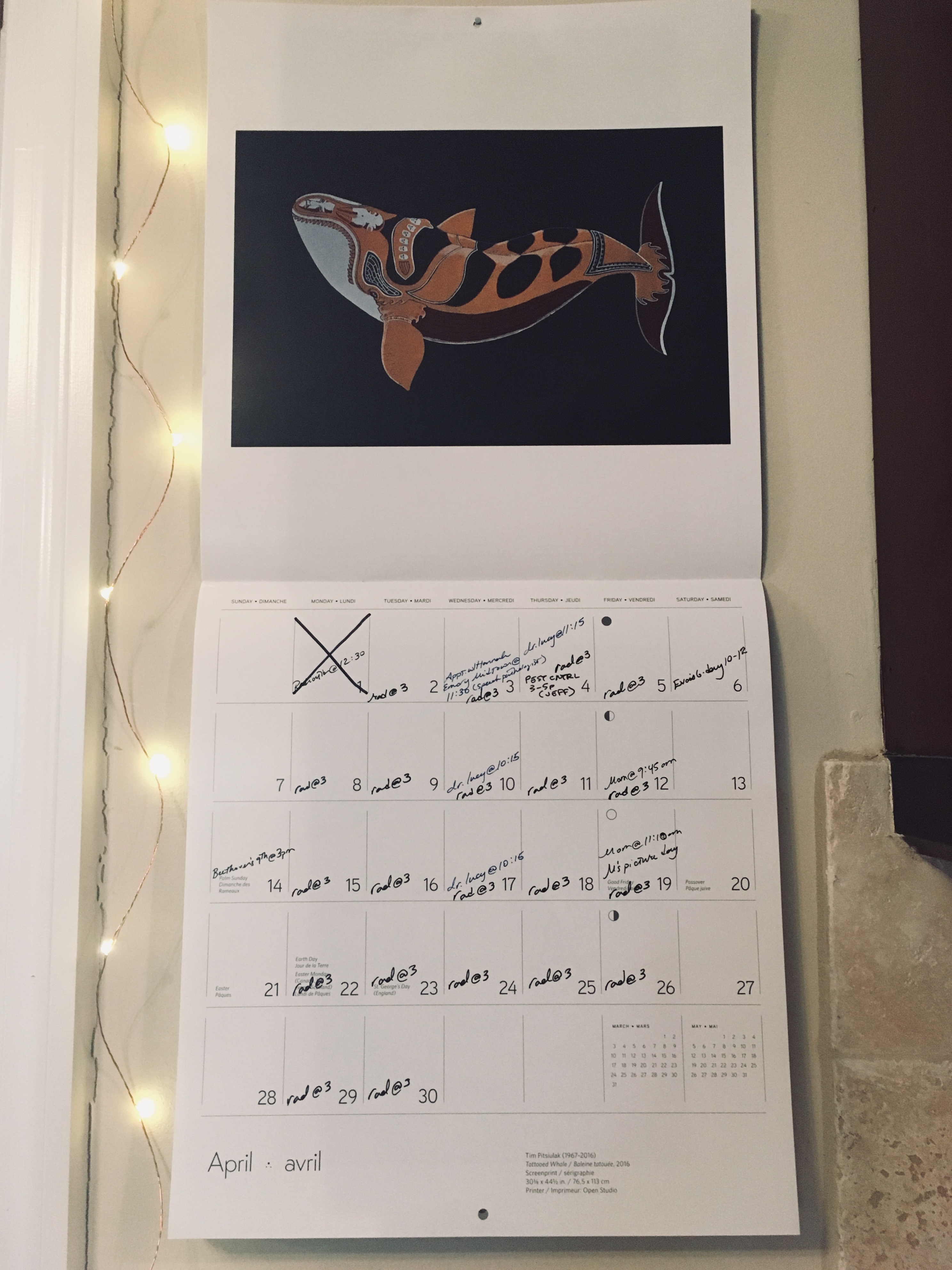
During our session yesterday, I was describing all of the strictures that have suddenly been placed on my life–the death mask, for one; the daily radiation appointment at 3pm; the host of other medical appointments that keep me bouncing from one doctor to another; the weird oral hygiene and physical therapy regimens; the temporary bans on alcohol and getting pregnant (ha! not something I necessarily want to do, but something I resent not having the choice to do), etc. But then, in the meandering course of our conversation, I realized all of the ways in which I’ve loosened up a bit, too. I’m reading four different books at once–something I never used to do. It always felt inefficient and oddly adulterous, like I was breaking a rule or something. I’m writing here in real time, when I formerly considered writing something that you labored over, privately, until you had the best possible rendition of what you wanted to say (and you had to know this, beforehand), sharing it only with a hypercritical cadre of editors and advisors. I’ve started drawing again for the first time in many years, I’ve had people over to our house even though it’s messy, and I’ve let go of certain vanities (speaking without a lisp and having a scarless neck, for example). Whatever. These things are a record of what I’ve been through–maybe even signs of an incipient transformation. It would be nice, I told my therapist yesterday (not to mention, ironic), if this experience was somehow freeing. If I could learn to sing in my chains like the sea.
Not gonna lie…

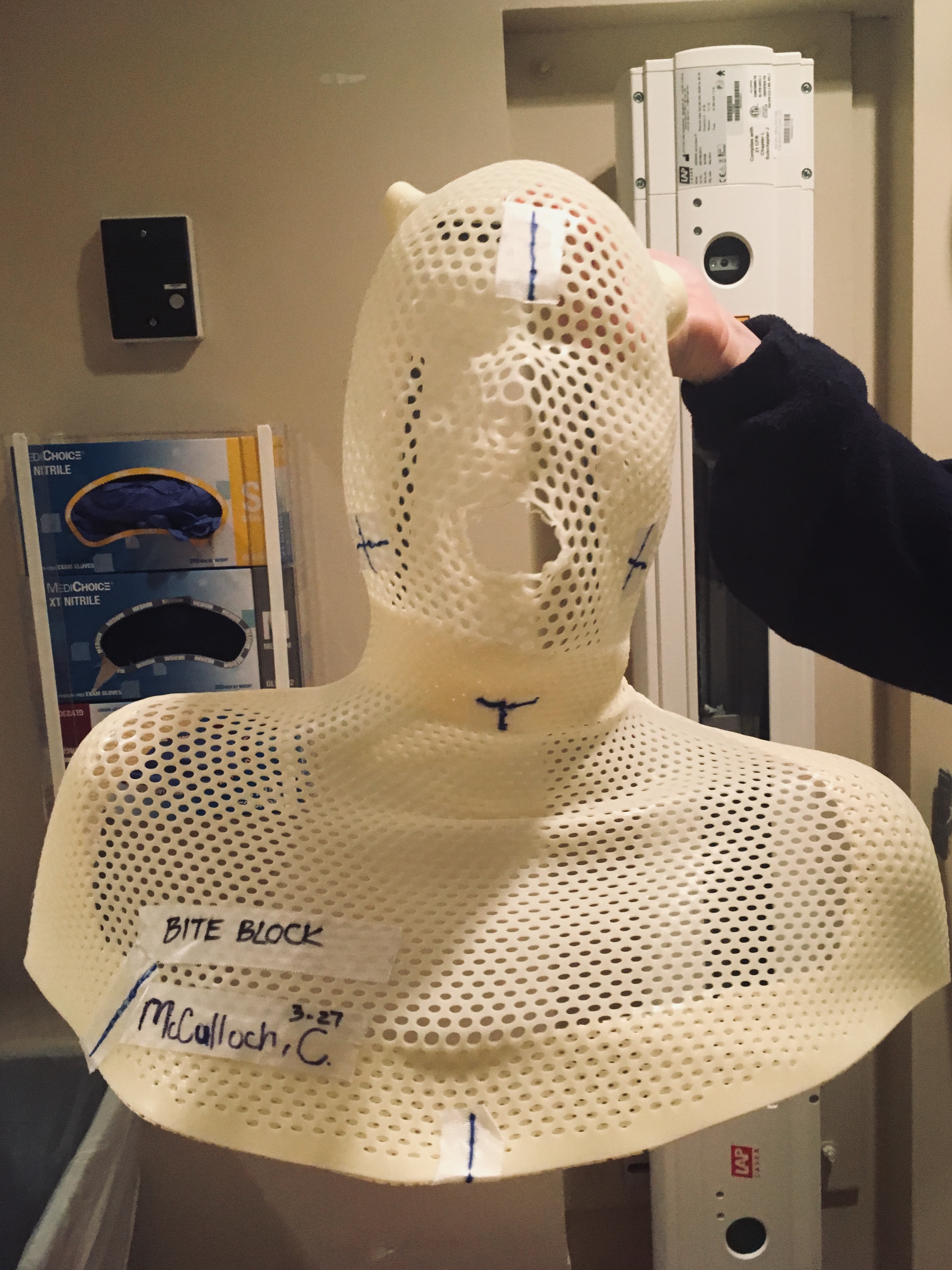
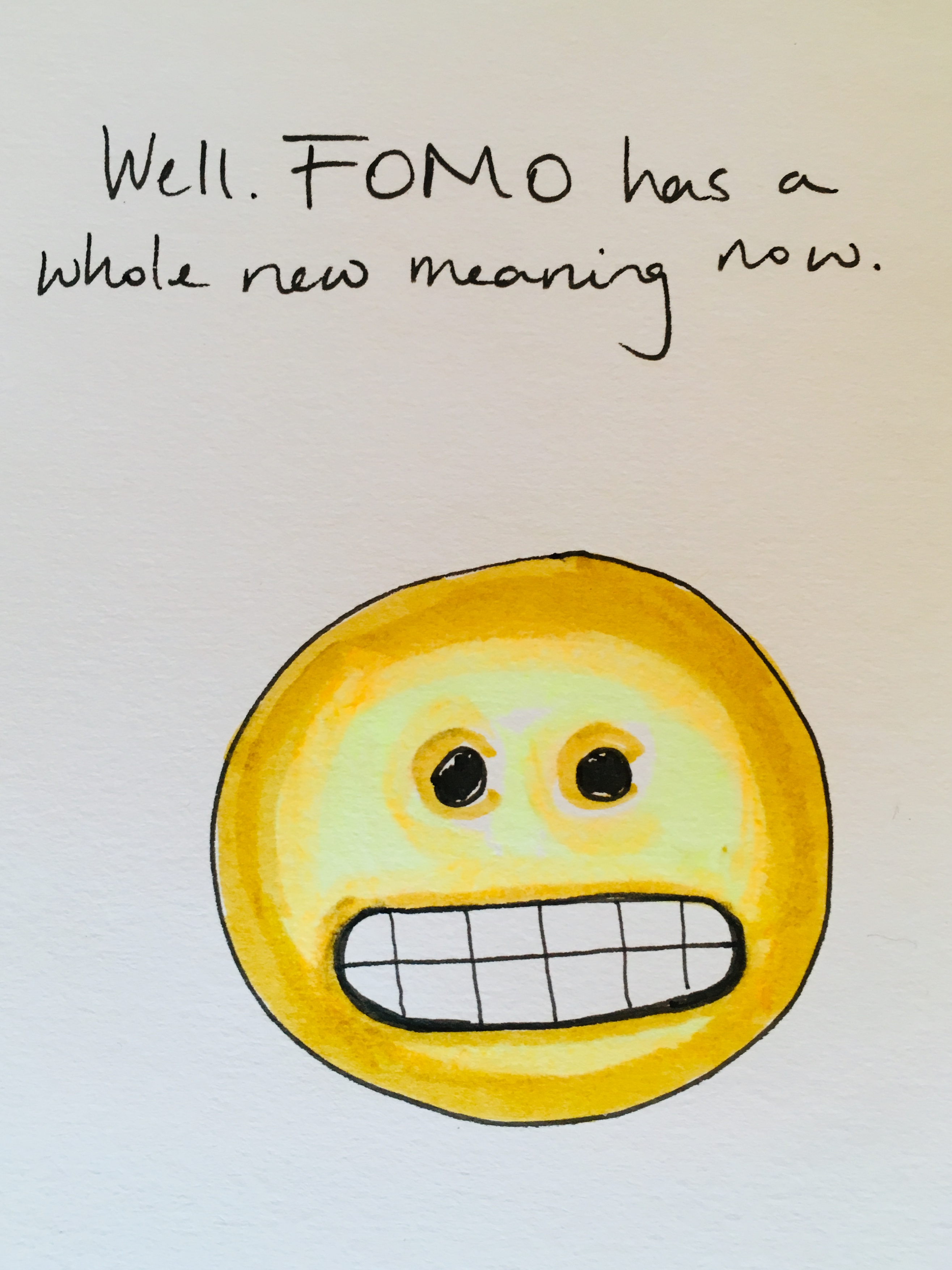
It’s been a crappy couple of days. I don’t feel like being funny or wringing some kind of meaning out of the wet rag that has been this week. Yesterday, I broke down in the speech therapist’s office when I realized that there was a whole new set of tongue and swallowing exercises I needed to be doing to prevent dysphagia, something I’ve never heard of that sounds scary. (The past few months have been full of things I’ve never heard of that sound scary.) Also, my jawline is swollen, which might be the result of Lymphedema or the radiation; neither the speech therapist nor the radiation tech could tell me for sure. There are red hatch marks under my chin from the mask, I felt exhausted by 4pm yesterday, and I’m already waking up in the middle of the night with dry mouth. I feel like I’m not allowed to be having a bad week since I only began radiation on Monday, and it’s supposed to get considerably harder from here. But I’m having a bad week, nonetheless. Adapting, I guess. It’s all still so new and surreal. Tony was not a man of his word; I’ve had a different radiation tech every afternoon and have found them all lacking in bedside manner. They act like I should know the drill by now, and betray exasperation when I reveal that I don’t. Which direction do I lie down on the table? Tongue depressor first or mask first? There’s also music playing during my treatments that, while intended to soothe, has been unnervingly inconsistent. I realize this is a first-world problem, but I’ve found it kind of jarring to listen to playlists that range from the Spice Girls’ “Wannabe” to classical in a single session. I’m often the youngest person in the waiting room and sit there resenting this, then go back to the radiation area where all of the patients’ masks hang, freakily, on a pegboard on the wall, two of which are clearly for children (one’s decorated as Spider-Man, the other has a fuzzy tiger hood over it). And then I feel like a total jackass.

Radiation: Day 1

I returned to the radiation oncologist’s office for my first treatment yesterday. At my therapist’s behest to “go easy on myself”, I took an Ativan beforehand, since my husband was with me and would be able to drive us home. The radiation tech I’ll be working with everyday for the next six weeks is named Tony. He seems like a pretty laid-back, affable guy (or perhaps that was just me/the Ativan). Anyway, getting back into the high-tech torture rack that is particular to my treatment (mask, tongue depressor, straps, etc.) was a bitch, but maybe I’ll get more used to it with each passing day. It’s uncomfortable, not painful, as is the radiation itself. I’m only “under beam,” as they call it, for about five minutes. A huge, mother ship of a machine pivots around me while making strange buzzing/humming/whirring noises and then it’s over. The fact that I felt nothing other than the pressure and tightness of the mask and tongue depressor made me wonder if radiation’s not some kind of smoke-and-mirrors gambit. I’m sure the eventual side effects will prove otherwise.

To that end, I’ve already begun the rigorous oral hygiene regimen prescribed to ward them off (or at least, minimize things): an oral rinse I use every 1-2 hours, prescription toothpaste and mouthwash, hydrating constantly, avoiding acidic foods, etc. You could probably also add writing here to the list. Yesterday, I came across the following quote from a writer and poet I quite admire, Ashleigh Young: “If making work–any work at all–helps you, then keep doing it. However imperfect.” As someone who tends to be very self-critical, I found her words heartening.

Day one down, twenty-nine to go.

Some dark humor on a bright day

I confess to having thought this just after I received my cancer diagnosis, when the future suddenly seemed no longer a given. This weekend, we celebrated my daughter’s 5th birthday and man, did I relish it. I might be losing my sense of taste soon (radiation begins tomorrow), but life has never had a sweeter savor… All the cliches you hear are true, damn them.

It’s not your fault

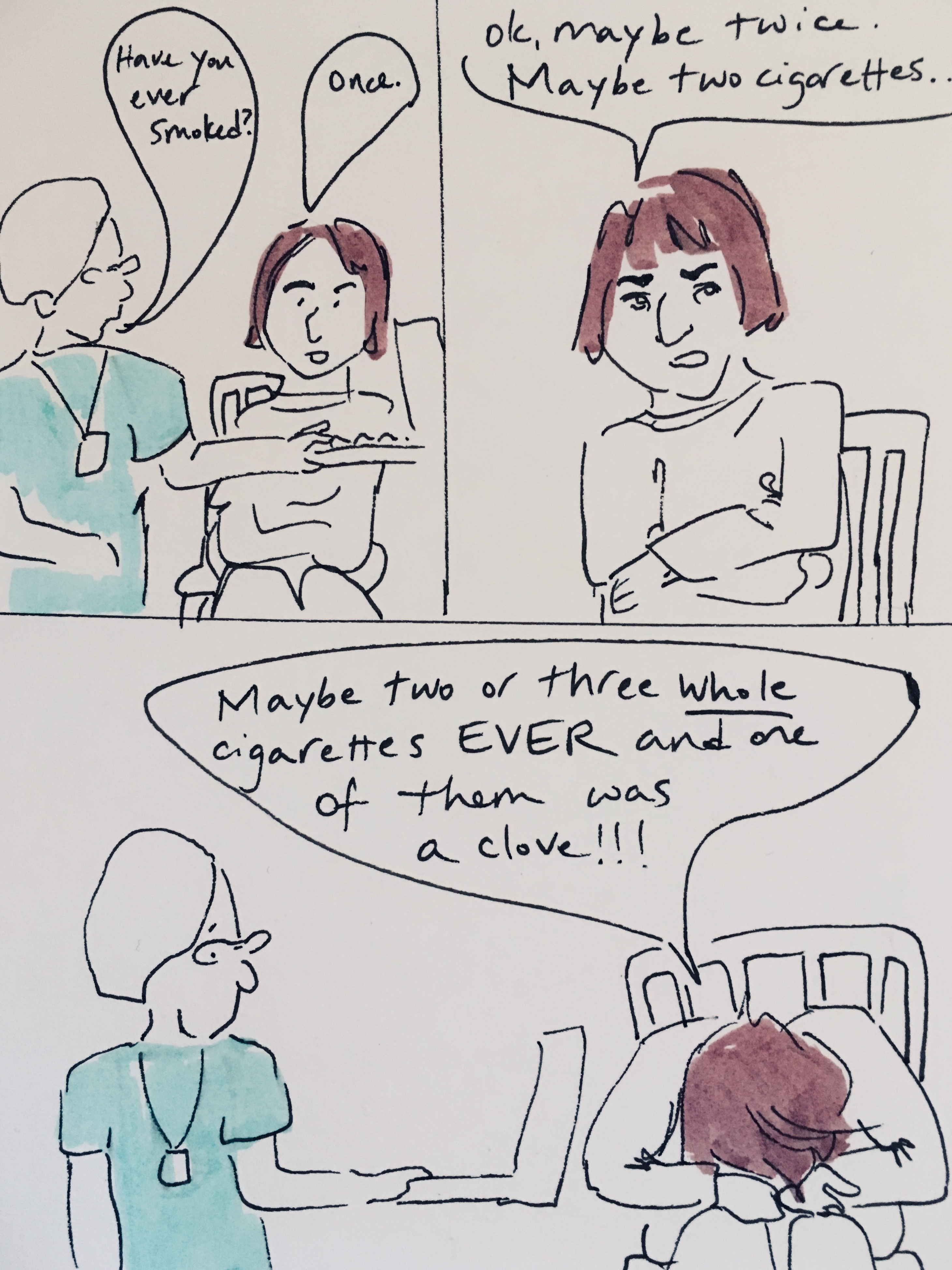
Since my diagnosis I’ve been in a lot of doctor’s offices, and this is a question commonly asked of new patients (along with drug allergies, the date of your last menstrual period, etc.). But now that I have this rare form of oral cancer, it feels somehow loaded. Is it all my fault? Did I do something wrong? I’m pretty sure the answer is no, but it’s taken me a while to accept this (and truth be told, I’m still working on it). Here’s a bit on how I’ve tried.

When the oral surgeon first told me that I had MASC, I sat in shock, blinking for a few moments before asking, “Why? What did I do? Did I do something?” She assured me that it was not because of something I had done–that although this form of cancer was rare and relatively new, I didn’t fit the profile of those more commonly at risk for it (men in their 50s-60s). Most likely, she said, it was the result of a genetic aberration. I then asked if I should do anything differently now that I had the diagnosis, any lifestyle changes I should immediately make. She looked pained to have to tell me no, not necessarily.

For a few weeks after that, during the agonizing period of waiting for my next appointment, PET and CT scans, more information, etc., I remained unconvinced and felt paranoid about every decision I made. Should I not have a glass of wine with dinner? Should I cut out my morning coffee altogether? Should we stop using dryer sheets with our laundry? Should we only buy organic produce? I realize, now, that I was in a very vulnerable state, and casting about for some sense of control in a situation where I had very little. These changes would have been more or less negligible although, at the time, I thought they were a matter of life and death (and yes, I know there are folks out there who disagree–more to come on them later). Anyway, I was trying to rationalize what was happening to me, and the only rationale I could seem to latch onto was the notion that I deserved cancer because I had done something wrong. If I did that particular thing (or things) right, I could stop it or stave it off.

I’m fairly certain this line of thinking is both natural and flawed. I didn’t get cancer because I’m not in perfect health or perfect shape or didn’t make the right choices at every turn, whatever those may have been. I often remind myself of Olympic gold medalists who have been diagnosed with cancer, like Kikkan Randall and Nathan Adrian and Lance Armstrong. Or, you know, young children. There’s absolutely no way they invited or “deserve” something like this. No one does. Health, illness, mortality, these things aren’t as meritocratic as we might like to believe (again, the appeal there being the sense of control such a system or logic would afford). As the bard said, they’re “the slings and arrows of outrageous fortune” and every living being is always already making the noble choice to suffer them. They, we, I, deserve nothing but compassion.

Happy Halloween

So this is how I spent Friday afternoon. I had to return to the radiation oncologist’s office to have a mold made for my upcoming treatments. It looks like a cross between the Jason mask and medieval chainmail a la the cover of Seamus Heaney’s Beowulf (incidentally, another text I teach my seniors. Here’s hoping I only have to fight this monster once).

Before we began, the radiation technician asked if I was claustrophobic. I told her I didn’t think so, but then again, I’d never done anything like this before. She proceeded to lay me down on the narrow table they use for CT scans and MRIs, lock my wrists in a hold, align my body with a laser overhead, and drape this dripping hot wax/plastic/rubber sheet over my head and shoulders. Panic didn’t set in until they placed a large foam tongue depressor in my mouth and fastened the mask to the table. I may not be claustrophobic, but I am HUMAN, and nothing about the situation felt like a human should be in it, let alone for twenty minutes.

I could only breathe through my nose, had difficulty swallowing, and would compare the experience to that of being in a coffin or straightjacket. The tech then ran me through a CT “simulator” which took images that my doctor will use to develop my radiation plan (i.e. where, precisely, the beam will be targeted). I asked them to tell me when it had been five minutes, ten minutes, etc., which helped assuage my anxiety ever so slightly. Somehow, I got through it. As soon as I was out of the contraption and sat up, tears began streaming down my cheeks. Was it relief? Sadness that I’m having to go through this at all? A number of reasons seem, to me, altogether plausible, but the tech looked puzzled. “I’m going to ask the doctor to get you a prescription for Ativan,” she concluded.

I know it’s just another day at work for them, but for patients going through this for the first time, it’s like being deposited on another planet with alien customs and an alien tongue. Someone else’s surprise that you’re having trouble adapting, rapidly, to a cancer diagnosis and its treatment is one of the harder things I’ve had to deal with thus far (and, thankfully, I haven’t encountered it much). Maybe I’ll ask the doctor to get her a prescription for Sympathan.

Onto radiation

Yesterday, I met with my radiation oncologist for the first time. The waiting room was packed, even at 8:45 am. I realized, once again, that I’m not the only person going through this. Lots of people are. In fact, that’s one of the funny things about cancer. At this point, virtually everyone knows someone close to them who has had it and, in many cases, recovered. Which makes it feel something like the common cold, or allergies. But, you know, a cold that could kill you. It’s a gnawing paradox. As is the fact that every medical waiting room I’ve been in lately has a giant flat screen streaming HGTV. What’s up with that? It just incites ire (in me anyway) to think about how much less a complete home renovation costs than the healthcare we’re all sitting there waiting for.

I was called back to meet with Dr. Higgins in relatively short order, and she was lovely. Calm, composed, empathetic, informative, funny. She took her time with me, which is something I’m really beginning to appreciate in doctors, especially when their waiting room looks like the airport gate for a delayed flight. I’m wary of essentializing gender in any way–I believe that most of it is culturally constructed and imposed–but my experience with female doctors has been markedly positive. That said, it also threw me for a loop that she was roughly my age; for so much of life, doctors are always reassuringly older than you (and yes, I’m aware that this is a form of ageism).

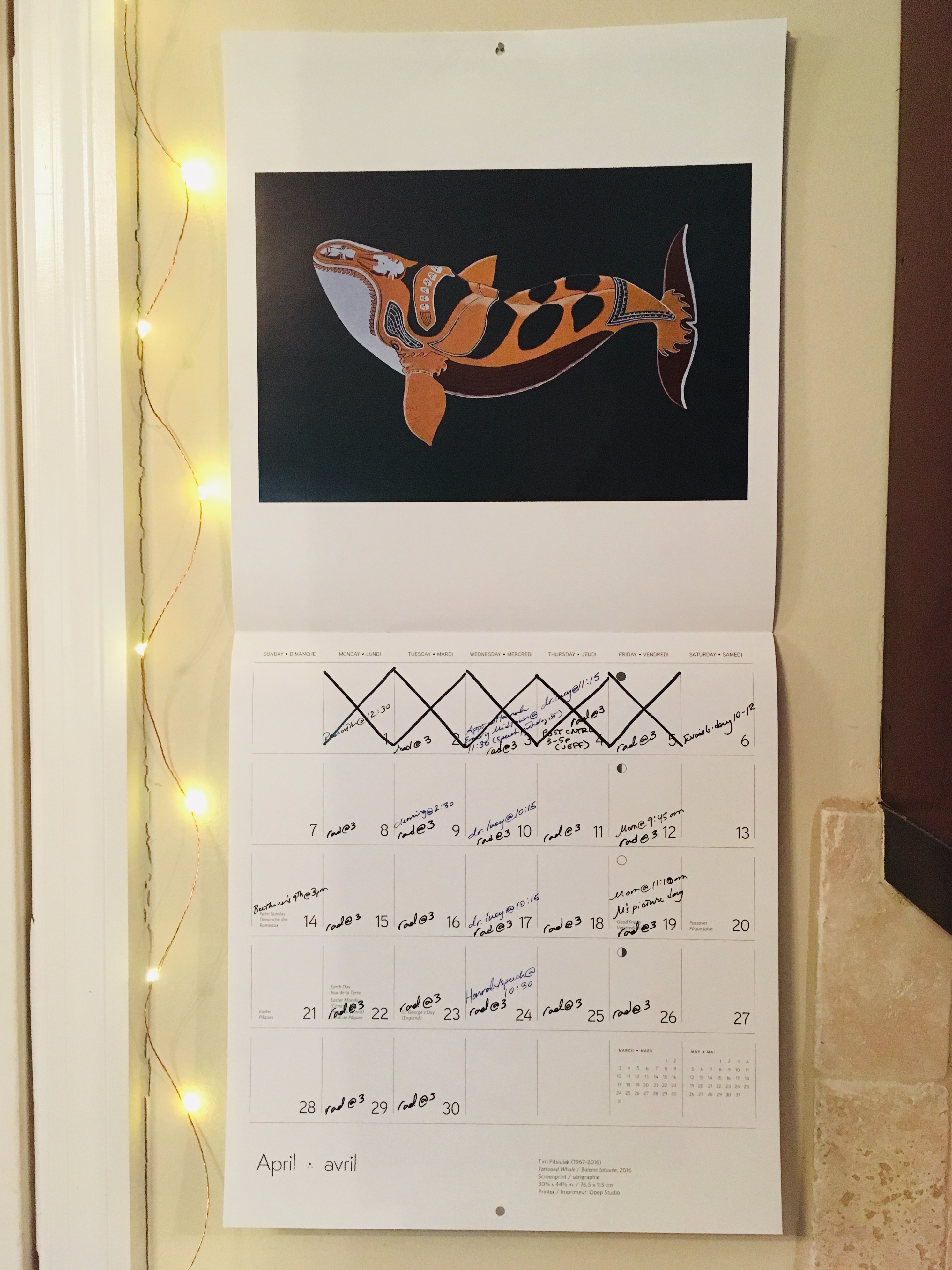
Anyway, she walked me through the next steps of my treatment, as well as the possible side effects, which are varied and intimidating (loss of taste and appetite, severe dry mouth, painful sores, etc.). I will have radiation to my “oral cavity” everyday (excluding weekends) for six weeks. It will be particularly difficult towards the end of that time, and recovery after radiation could take up to six additional weeks. Needless to say, any summer beach plans are now on hold. But that’s ok. I’m on a bit of an unexpected detour in life, and the beaches will still be there when I return to the main road (where I won’t leave my kid in the car).

Some thoughts on the final season of Catastrophe…

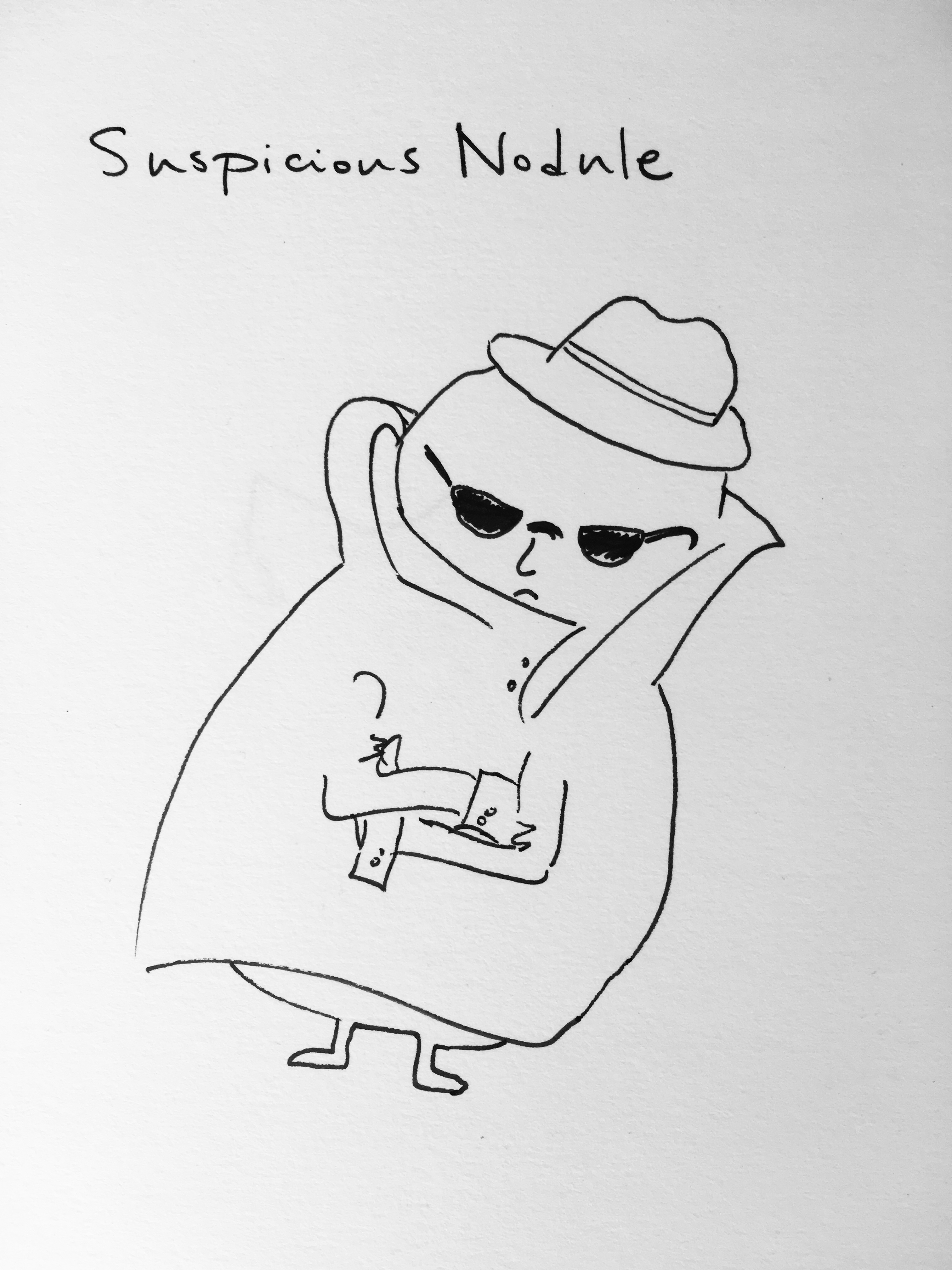
First things first: my thyroid ultrasound came back clear! Or, to use the hard-boiled detective language of my doctors, there were no “suspicious nodules” to be found. [INSERT FUNNY CELEBRATION GIF HERE, because I don’t know how to yet].

In other news, my husband and I finished watching the final season of Catastrophe last night. It’s a beloved show in our household, but season 4 (and, in particular, the last episode) left me fuming. [Note: spoilers ahead.] WHERE WERE THE CHILDREN?!? Admittedly, Rob & Sharon’s two kids have long been inconspicuous additions to the cast, but this season, that was especially the case. For the first few episodes, I thought that maybe their baby daughter had died and I somehow missed it?!? There was no mention of her; no scene in which she appeared. Muireann finally shows up in a later episode, on the floor beside her parents’ bed (at which point my husband quipped, “See? She’s been under their bed this whole time.”). Then, in the penultimate scene of the last episode, Rob & Sharon take a walk together after his mother’s funeral, pushing a visibly empty stroller. They’re talking about some heavy stuff, but heavier, still, than their floundering marriage is, I would venture, their missing child. Make that children. Where the hell is Frankie?!?

Which brings us to the final scene of the final episode [Note: spoilers immanent]. Rob & Sharon are driving along a lovely, deserted coastline, with both kids asleep in the back of the car. Sharon asks him to pull over so that they can get out and talk, which he does. They share a meaningful, tender exchange, then go quasi-skinny dipping WHILST THEIR CHILDREN ARE STILL IN THE CAR ON A WARM DAY IN THE SUMMER.

I’m sorry, but you can’t be a show that traffics, refreshingly, in a kind of graphic realism (think back to the scene when Dave OD’s, Rob frantically administers CPR, and they both barf all over each other; or when Sharon’s leaking breast milk stains her blouse, or, etc.), and then LEAVE two children in a hot car on the side of the road while you take a spontaneous swim. In reality, when you stop the car, babies frequently wake up and start crying (it has been established, through various dinner scenes, that Frankie is mute). I know it’s a metaphor and all–making a marriage and family work is like swimming out into a riptide; it’s a wild gamble–but other things are not. Those kids are toast.

Cancer, conundrums, cartoons

I finally came up with a tagline! Isn’t that enough for one day? Unfortunately, no. I also have to visit the dentist (incidentally, where all of this began), and continue awaiting that phone call re: my thyroid ultrasound. Like most people, I don’t enjoy the dentist. It’s mostly the noises their tools make, although I do relish the soft rock/easy listening music it’s so often paired with.

In related news, a friend recently asked how my MASC was diagnosed, and I figured I should share that, here. This past summer, my dentist fitted me for a bite guard because I grind my teeth at night, and something about the way I moved my tongue after inserting the guard caused me to feel a small, firm lump on its underside. It didn’t hurt or bother me in any way–I only noticed it when making certain movements with my tongue that I don’t ordinarily make (sticking it way out, for example. Are you pleased, dear reader, to find that, as a thirty-nine-year-old, I don’t regularly stick my tongue out at people? You should be). So, I told my husband and asked if he thought it was anything to be concerned about. He said probably not, but I should check back with the dentist, anyway.

Fast forward a month or two from that, and I finally drag myself into the dentist’s office, unscheduled, to ask if he could take a quick look at my tongue. He graciously agreed to, poked and prodded a bit, then sent me away with a referral to an oral surgeon to have it biopsied. It didn’t look like other oral cancers he had seen, he assured me, but it’s better to be safe than sorry.

It wasn’t until a few months after that visit that I actually had the biopsy (work and holidays threw a wrench in things), which came back as positive for mammary analogue secretory carcinoma. The doctor who shared this news with me was extraordinarily gifted at doing so; she pulled her wheelie stool close to my chair, leaned forward, looked me directly in the eyes, and confessed to being as pained and shocked by it as I was. I remain grateful for (and a little in awe of) her forthrightness and compassion. She then referred me to my surgical oncologist, and here we are, a little over a month out from my operation.

I am nervous about the next steps; I meet with my radiation team for the first time this week (and will report back here), but I’m trying not to let my mind get ahead of me. “Suffer once,” my therapist wisely advised. Today, I feel good and am thankful.