The road to hell is paved with unsolicited advice

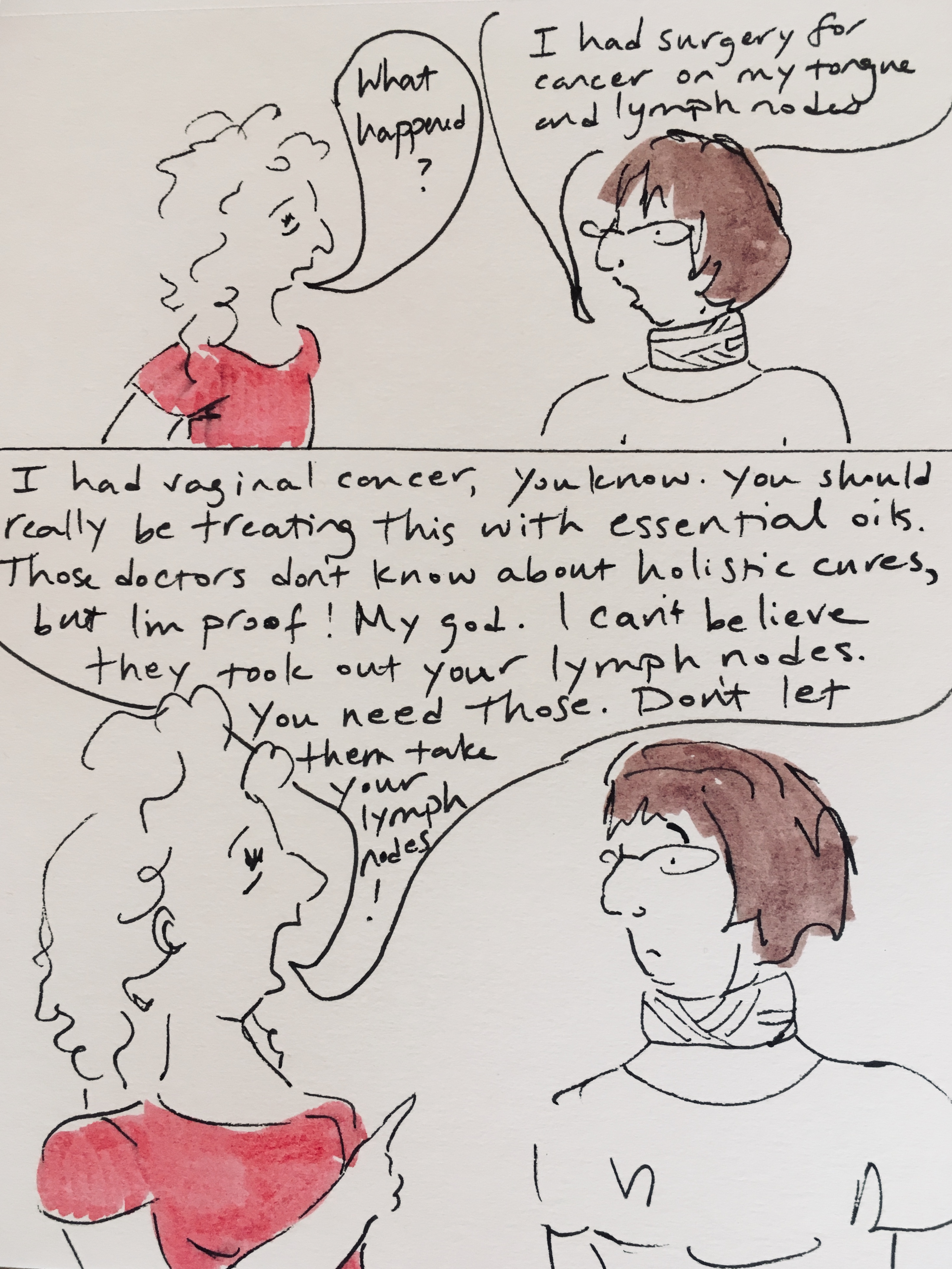
…which, of course, is often well-intentioned. The cartoon below is of an exchange I had with my neighbor about two weeks after my surgery. I was still sporting a large bandage on my neck, which prompted her to ask what happened. I explained that I had been diagnosed with a rare form of salivary gland cancer, and was recovering from surgery to my tongue and neck. This opened the floodgates for a torrent of advice, along with way too many details regarding her own medical history. To be fair, I should have seen it coming. This neighbor is a bit of an oddball; she’s a woman in her sixties who lives with her mother (in her nineties) and is self-employed as a professional pet-sitter/banner-maker (is there a large demand for banners this day and age? Who are her clients? These are things I don’t know and haven’t asked). She pet-sits for our cat, in fact, and this is one reason I’ve been reluctant to press her on certain issues she’s brought up, unabashedly, in conversation.

For example, she once brought us a meal when I was home sick for two weeks with the flu and pneumonia–a kind and neighborly gesture. After thanking her profusely, I asked if she had gotten a flu shot this season. “Flu shot?!?” she asked, incredulously. “Don’t you know what they put in those things? Aborted fetuses, green monkeys. No way, no flu shots or vaccines for me. I only eat organic.” I was so flummoxed that I said nothing in response (though I was tempted to tell her that I don’t think they use pesticides on fetuses or green monkeys). So, when she recently insisted that I treat my cancer with diet and essential oils, I shouldn’t have been surprised. But I was bothered. Did I ask for her opinion? No, I did not. Over the years, I’ve found that some people are especially eager to offer health advice in certain circumstances–when you’re pregnant, for instance, or nursing, or it happens to be a Tuesday. But I haven’t found nearly as many people who are eager to receive it.

Even so, her warnings and ramblings unnerved me enough to email a college friend who’s now a doctor and ask him to reassure me that treating my cancer with conventional Western medicine was a perfectly sound choice. I particularly loved his response: “You can thank your neighbor for offering to murder you. Cancer treatment is one of the areas where Western medicine excels. Eating a healthy diet certainly doesn’t hurt, but to think supplements could treat cancer is total insanity. Gas, migraines, arthritis? Sure, try whatever you want.” Thanks, doc.
Some dark humor on a bright day

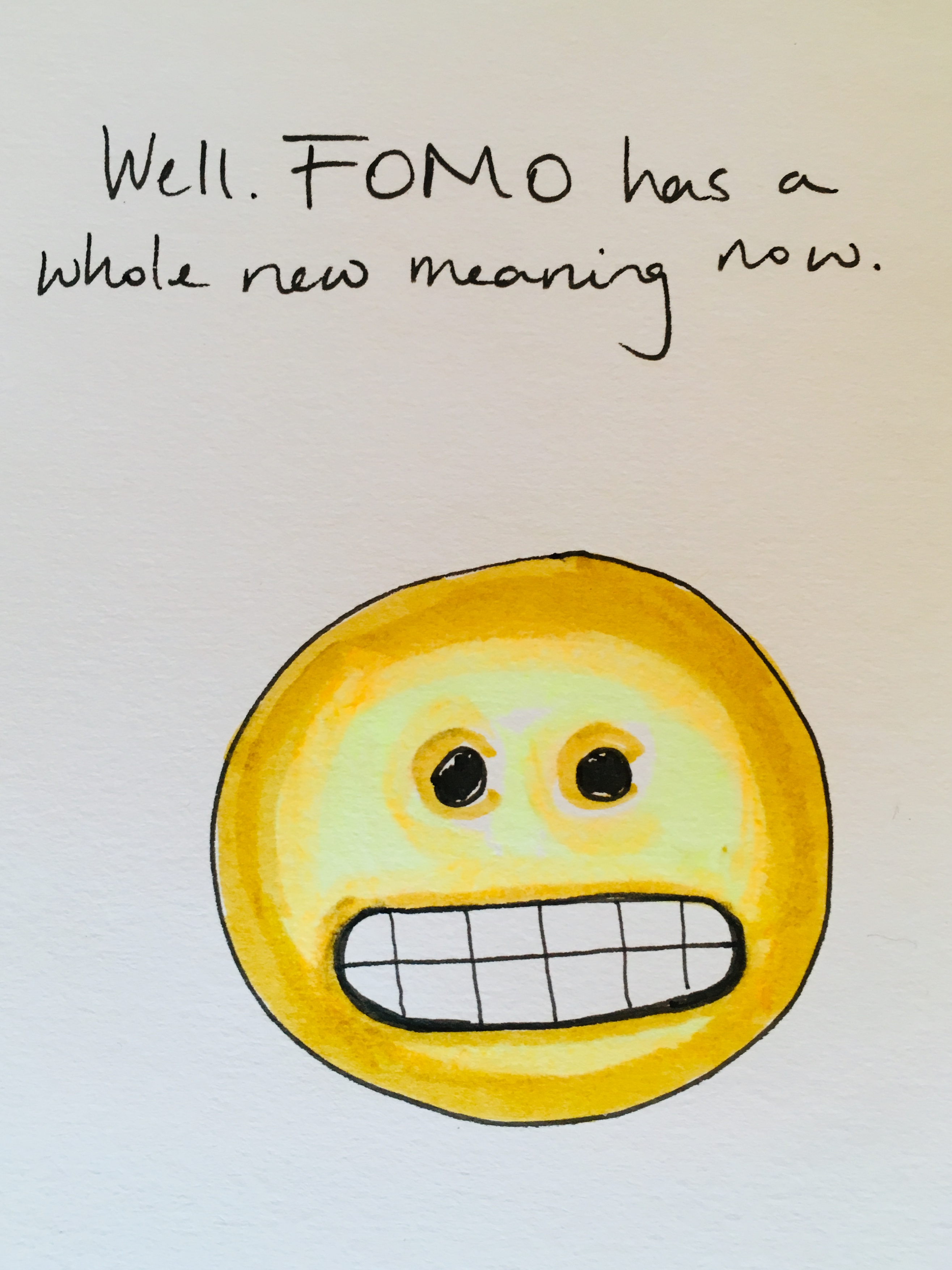
I confess to having thought this just after I received my cancer diagnosis, when the future suddenly seemed no longer a given. This weekend, we celebrated my daughter’s 5th birthday and man, did I relish it. I might be losing my sense of taste soon (radiation begins tomorrow), but life has never had a sweeter savor… All the cliches you hear are true, damn them.

It’s not your fault

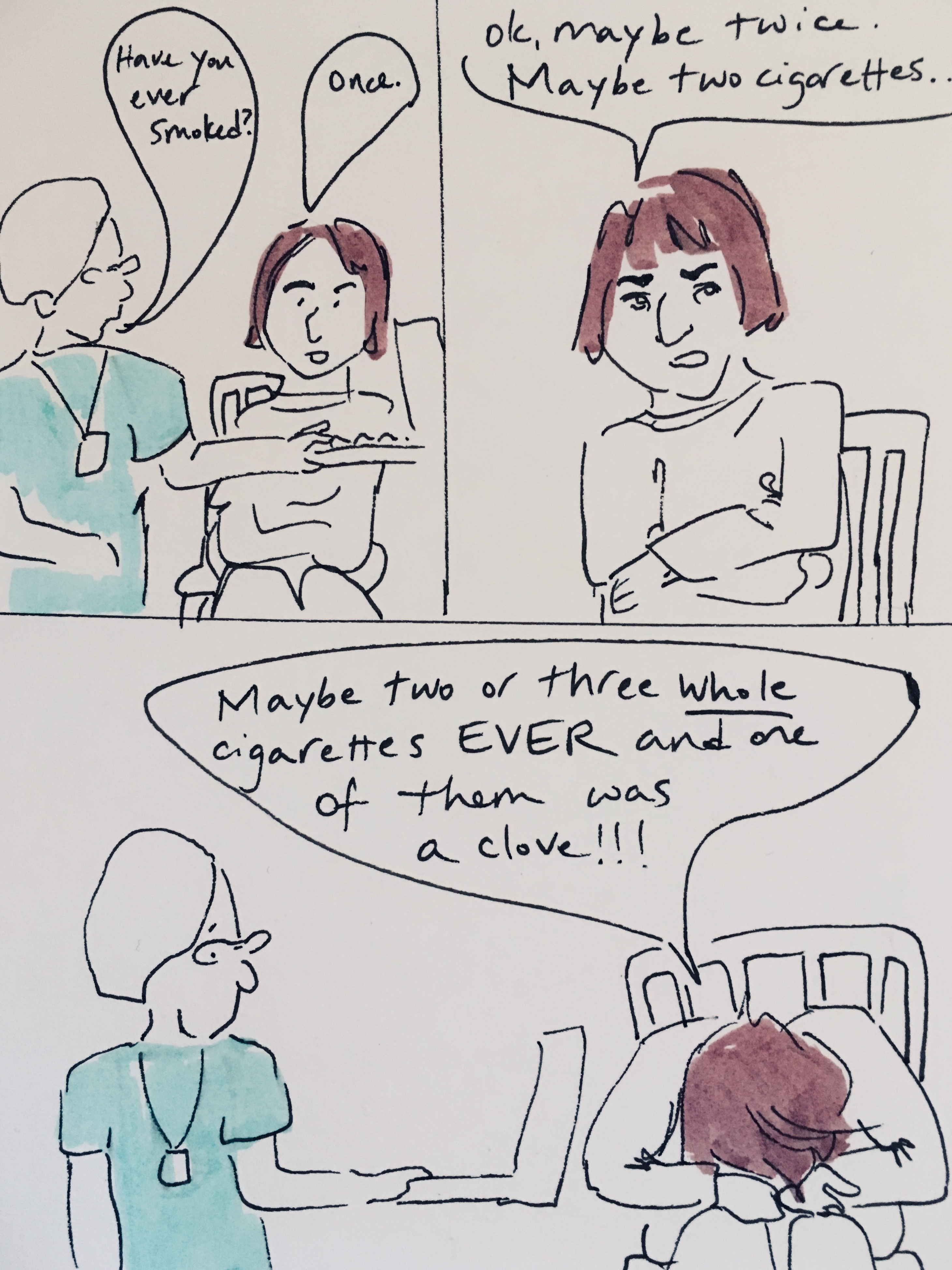
Since my diagnosis I’ve been in a lot of doctor’s offices, and this is a question commonly asked of new patients (along with drug allergies, the date of your last menstrual period, etc.). But now that I have this rare form of oral cancer, it feels somehow loaded. Is it all my fault? Did I do something wrong? I’m pretty sure the answer is no, but it’s taken me a while to accept this (and truth be told, I’m still working on it). Here’s a bit on how I’ve tried.

When the oral surgeon first told me that I had MASC, I sat in shock, blinking for a few moments before asking, “Why? What did I do? Did I do something?” She assured me that it was not because of something I had done–that although this form of cancer was rare and relatively new, I didn’t fit the profile of those more commonly at risk for it (men in their 50s-60s). Most likely, she said, it was the result of a genetic aberration. I then asked if I should do anything differently now that I had the diagnosis, any lifestyle changes I should immediately make. She looked pained to have to tell me no, not necessarily.

For a few weeks after that, during the agonizing period of waiting for my next appointment, PET and CT scans, more information, etc., I remained unconvinced and felt paranoid about every decision I made. Should I not have a glass of wine with dinner? Should I cut out my morning coffee altogether? Should we stop using dryer sheets with our laundry? Should we only buy organic produce? I realize, now, that I was in a very vulnerable state, and casting about for some sense of control in a situation where I had very little. These changes would have been more or less negligible although, at the time, I thought they were a matter of life and death (and yes, I know there are folks out there who disagree–more to come on them later). Anyway, I was trying to rationalize what was happening to me, and the only rationale I could seem to latch onto was the notion that I deserved cancer because I had done something wrong. If I did that particular thing (or things) right, I could stop it or stave it off.

I’m fairly certain this line of thinking is both natural and flawed. I didn’t get cancer because I’m not in perfect health or perfect shape or didn’t make the right choices at every turn, whatever those may have been. I often remind myself of Olympic gold medalists who have been diagnosed with cancer, like Kikkan Randall and Nathan Adrian and Lance Armstrong. Or, you know, young children. There’s absolutely no way they invited or “deserve” something like this. No one does. Health, illness, mortality, these things aren’t as meritocratic as we might like to believe (again, the appeal there being the sense of control such a system or logic would afford). As the bard said, they’re “the slings and arrows of outrageous fortune” and every living being is always already making the noble choice to suffer them. They, we, I, deserve nothing but compassion.

Doctors off the record

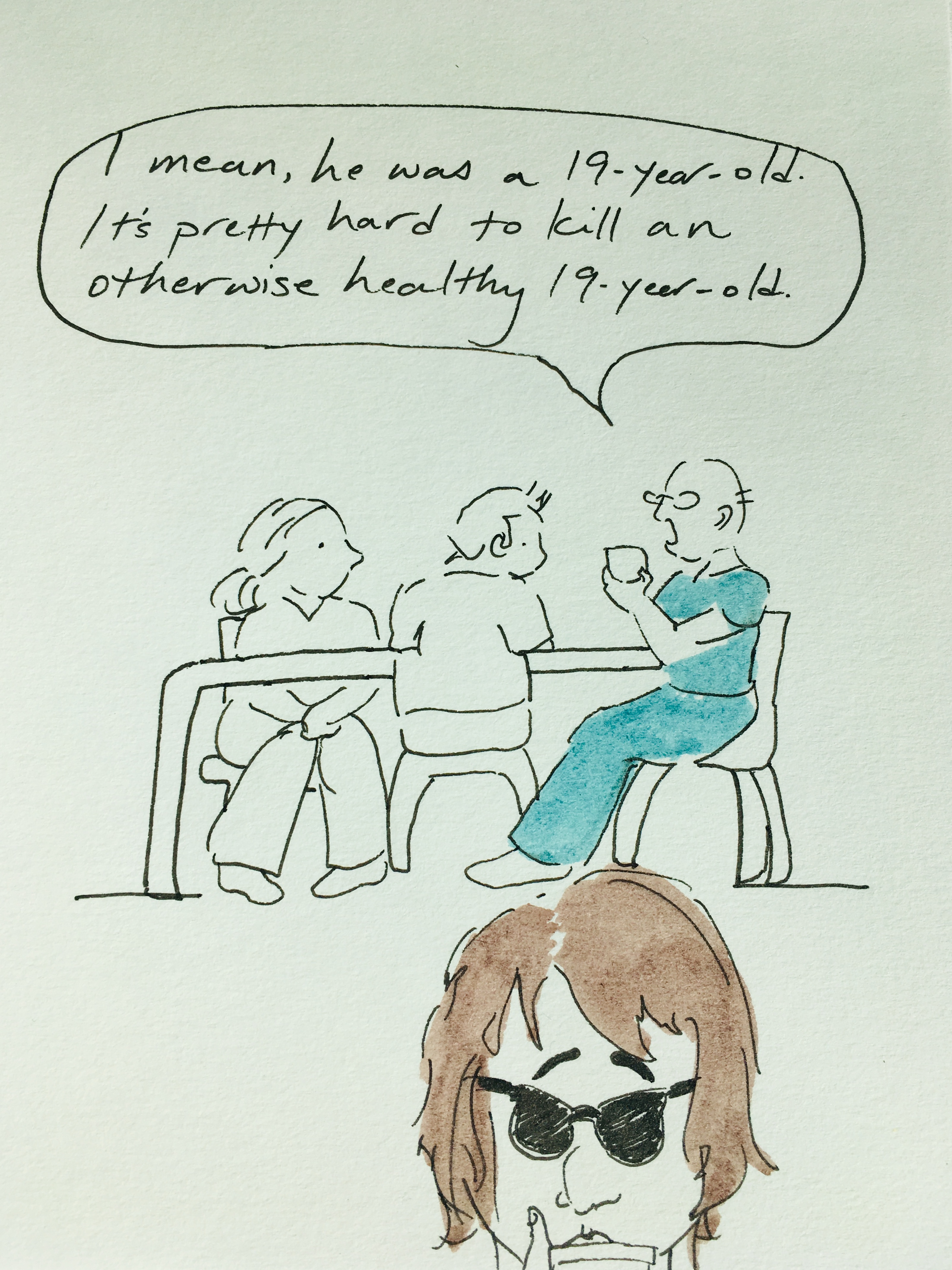
The other day I stopped by a coffee shop where I overheard the confab, above, between an older surgeon (he was in scrubs with a hospital badge & I asked him what he did there, so that’s how I know) and some younger residents. Pretty relieved I heard this after my own procedure.

Backtracking

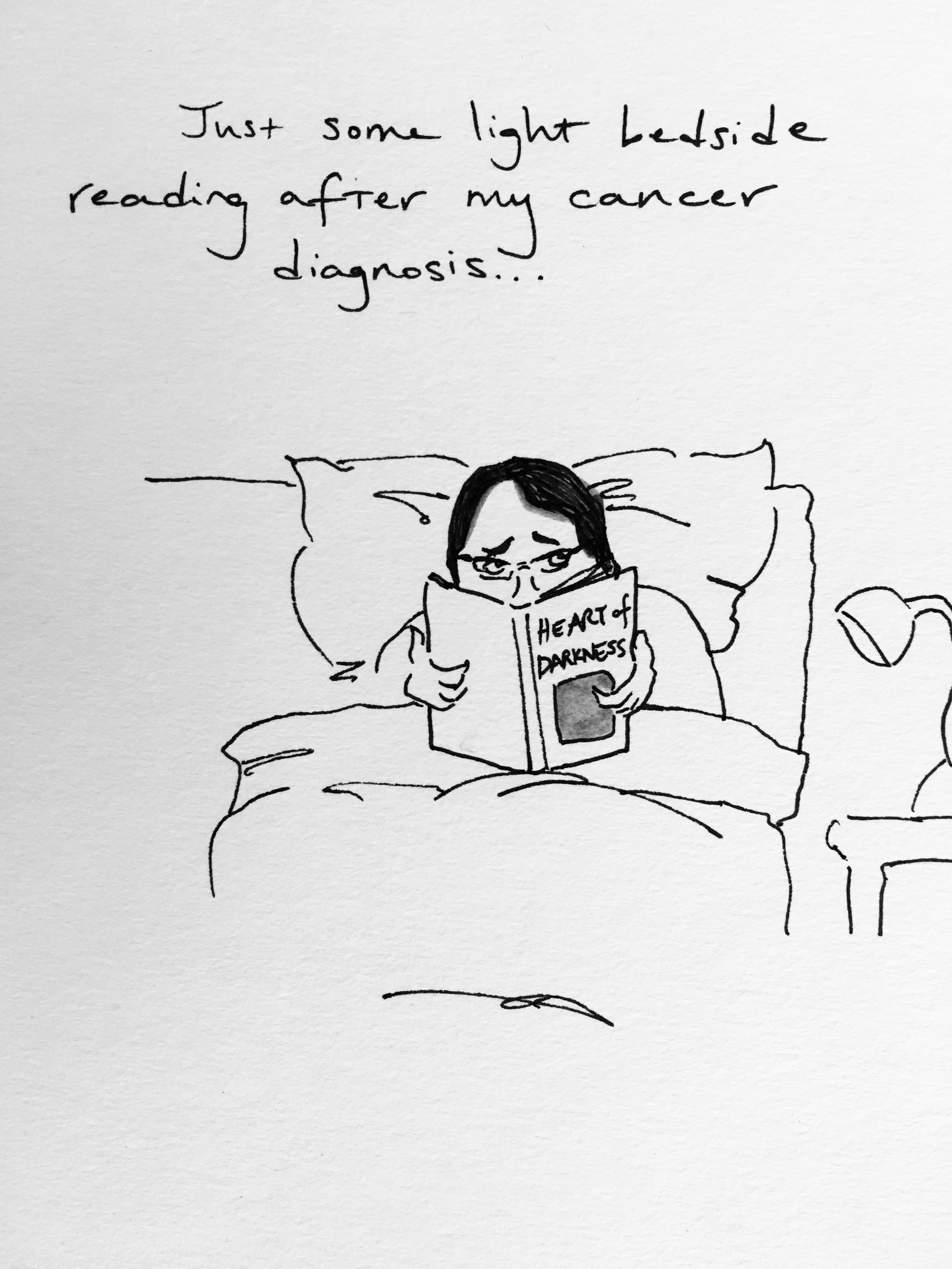
I’m a high school English teacher by day (crime and cancer fighter by night), and I kept my diagnosis under wraps for about two months before telling my students. I didn’t want to disrupt their already teeming teenage lives, and I was still waiting on some important information from my doctors (scan results, surgery dates, a treatment plan, etc.). I can’t say that it was easy crawling into bed each night with this little behemoth, which I had assigned to my seniors, but the humor wasn’t lost on me, either.