Healing is hard work, cont’d.

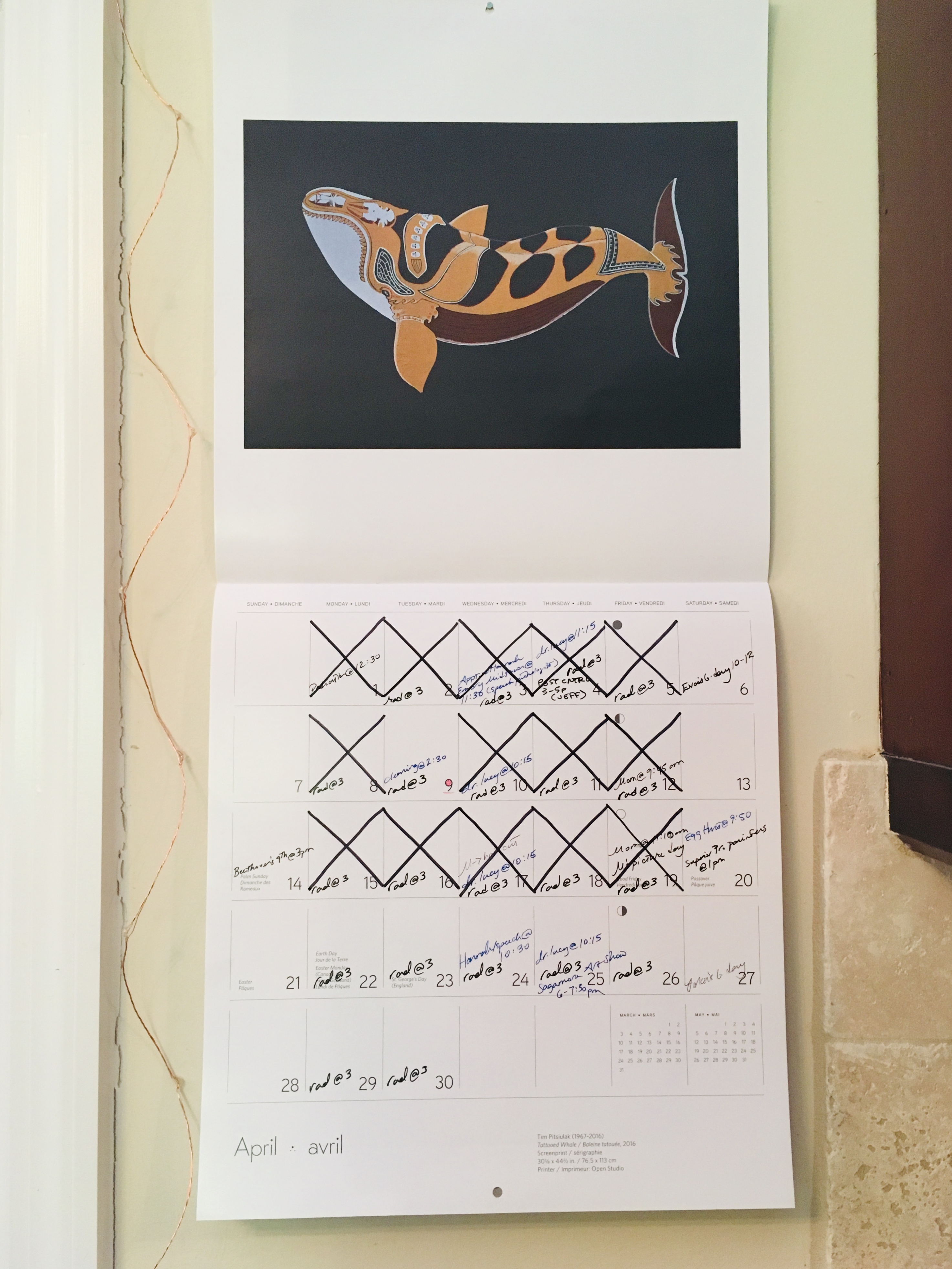
I haven’t written in a while because I’ve been waiting for “news” to report. That is to say, some kind of change or improvement. There has been change and, I suppose, modest improvement. The sores on my tongue and the walls of my mouth have more or less healed, and the pain I felt in my throat when I swallowed has migrated to my right ear. In fact, that’s pretty much the only pain I feel anymore and it’s lessening, little by little, each day. This is most fortunate, considering the fact that I’ve been weaning off of Oxycodone over the past week. Next week, I will be weaning off of Gabapentin, but supplementing all the while with Advil and Tylenol. I also feel my energy returning, but slowly and in small increments. A single outing or errand will still wear me out more than it ever used to.

I think the next challenge in my healing process will probably be figuring out food. My last actual meal was on April 14, which I know thanks to this blog. I’ve been on a liquid diet for forty-four days now, and a limited one, at that. Given the changes to my taste buds, the only things I’ve found tolerable over the past month-and-a-half have been water, Ensure, butternut squash soup, drinkable yogurt, and vanilla milkshakes. That’s it. That’s what I have every. single. day. At the behest of my speech therapist, I will try a bite of something else here and there (applesauce, mashed potatoes, cottage cheese, other soups, etc.), but these either taste terrible, or I can’t manage to swallow them. My natural saliva production, which I’ve learned helps break down food as you chew, has gone completely haywire, and food will simply get stuck to my teeth, tongue, or the roof of my mouth, causing pain and discomfort. It’s really very frustrating. So, I stick with what I know works because my body needs calories to heal.

Much like a recovering alcoholic, I’ve started to realize how heavily our social rituals revolve around food and drink. It’s hard when you can’t participate, and a little lonely. But it’s not the end of the world. And, in my case, it’s hopefully temporary. I just wish I knew when I’ll be able to eat again. No one has told me, and I can’t find it in the two other MASC blogs I’ve located on the internet. It’s hard to continue to be patient, and to live with uncertainty. That’s pretty much the crux of this entire ordeal, in fact, from my diagnosis right up until now. A serious illness pulls the rug of certainty out from under you, and it’s difficult to regain your footing. I still have my sea legs, I guess, and might for a while.
You can ring my bell

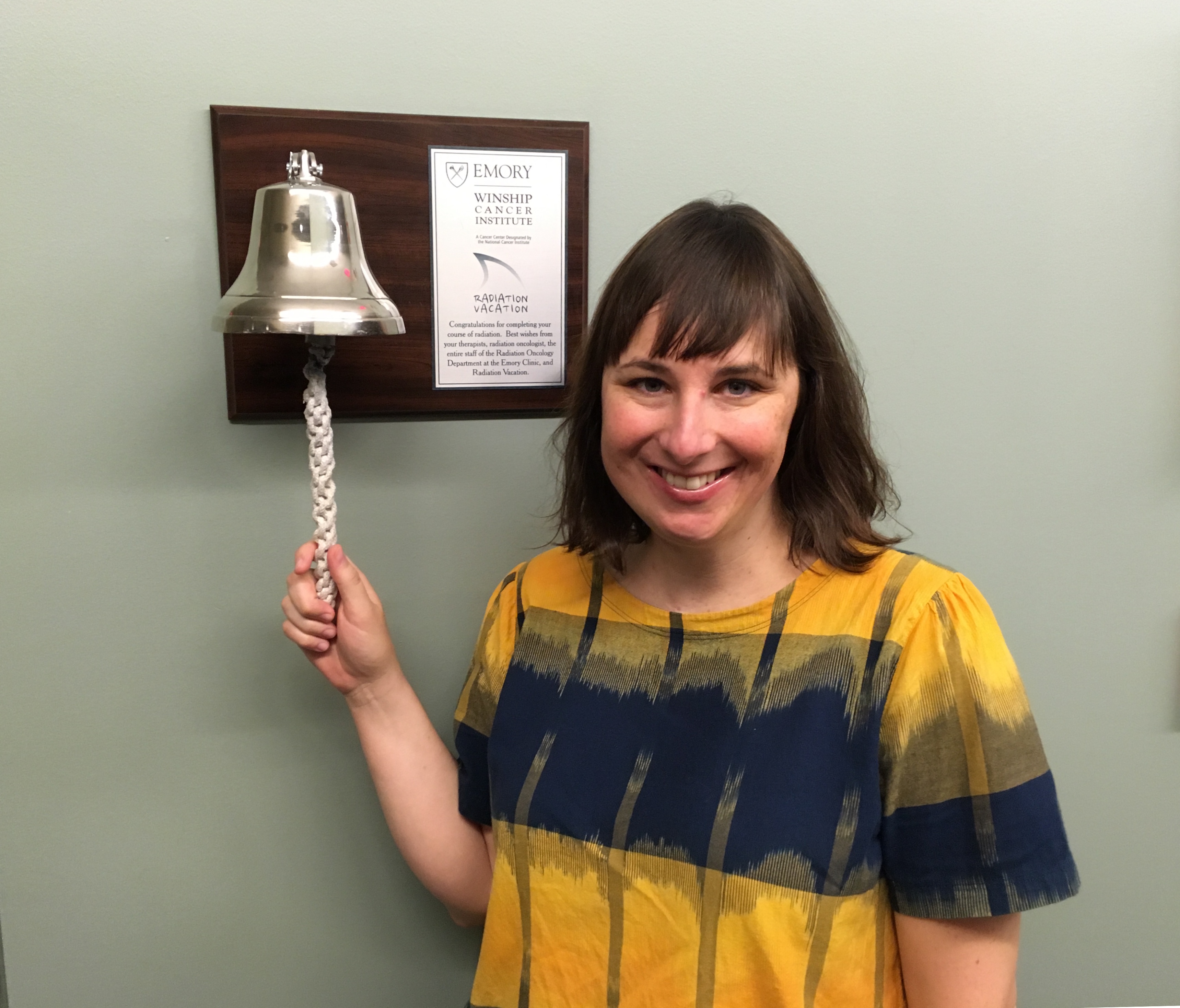
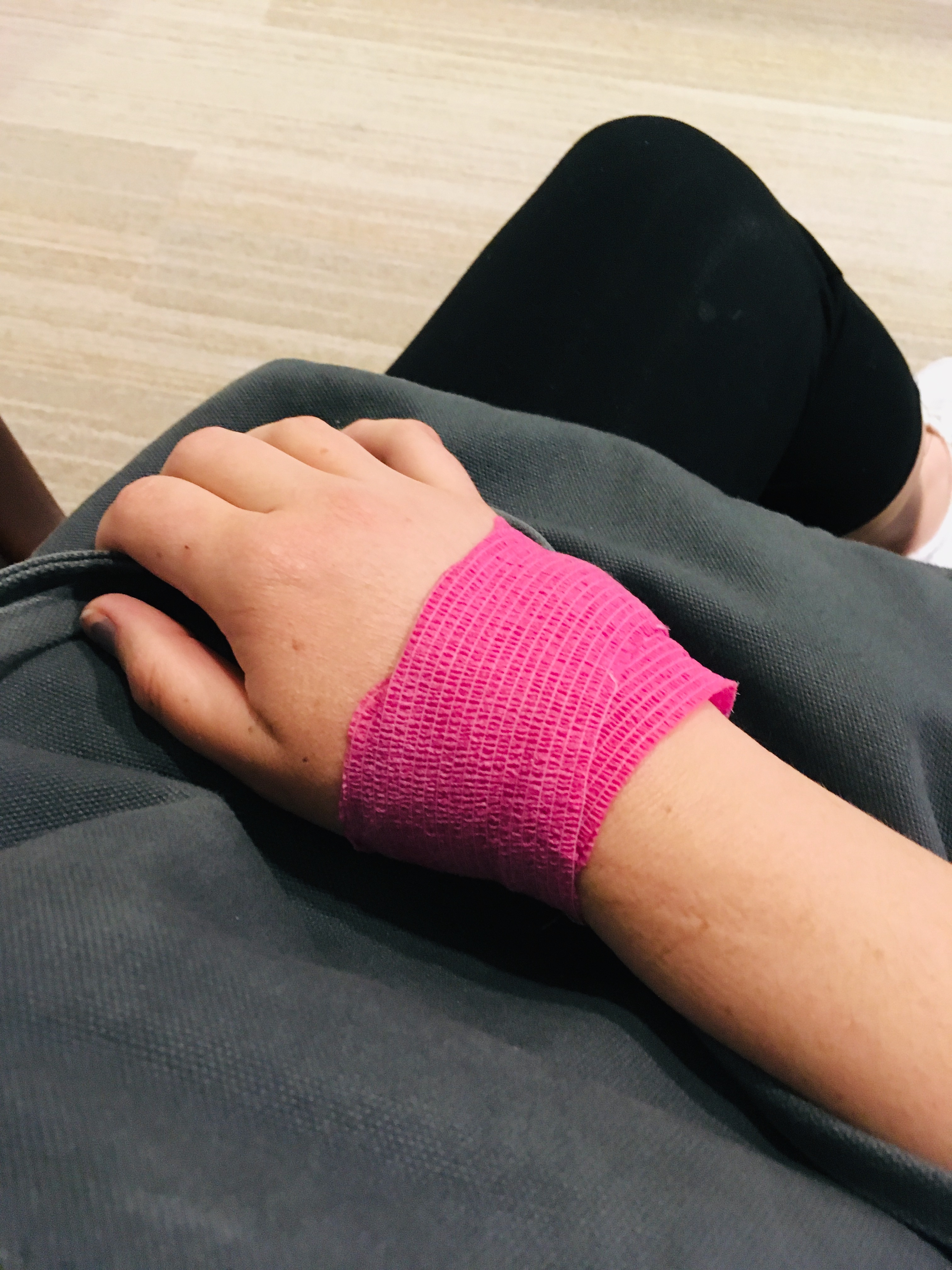
Yesterday, I reached a major–albeit, unsought and unwanted–milestone: my last radiation treatment. It was an emotional afternoon. Unlike Spider-Man, I chose not to take my mask home with me. But, like him and every other cancer patient treated at this center, I did ring the celebratory bell outside the waiting room when I finished. Everyone sitting nearby claps while the radiation techs and administrative staff sound noisemakers. I can’t believe I made it through the past six weeks (much less, the past five months since my diagnosis).

Several friends and family members have asked how I’ll be celebrating, and it’s frustrating to have to tell them that I’m not exactly out of the woods yet. My doctors warned me that I would probably feel the worst during the week following treatment and, so far, that’s been the case. My mouth is a swollen mess, my jaw aches, and painful new scar tissue has formed in my throat as a result of the radiation. I’ve been ordered to stay on the full (which is to say, maximum) dose of my various pain medications for the next ten days before I start to slowly wean off of them, one at a time. So a glass of champagne isn’t exactly in the cards for a while. To celebrate, I cried with my husband, came home, and took a nap.

Today, though, I feel slightly better than I did yesterday. I’m sure a large part of it is the sheer relief of knowing that this leg of the journey (which has been an arduous one) is behind me. I don’t have to go back to the hospital today at 3pm, as I have for so many miserable afternoons. I don’t have to go back tomorrow, either, or the day after that. When I think of this, it’s like taking a deep breath after holding it underwater, or under duress, for(seemingly)ever. But this is not the end. There are still follow-up appointments and scans and the attendant, agonizing period of waiting for their results before I’m officially in the clear. Remission–a word I once gave little thought to that now sounds so wonderful it has the ring of an incantation–is a long ways away. That said, I now also understand that the designation “survivor” is as much about surviving treatment–be it surgery, radiation, or chemotherapy–as it is the cancer, itself. And I survived this.

The home stretch

Things really took a nosedive this week. When I saw my radiation oncologist after my treatment on Tuesday, she said it was time to pull out the big guns–namely, Oxycodone. “You want to stay ahead of the pain during these last two weeks,” she explained. I was wary, as I’d experienced some unpleasant side effects from opioids before (mostly severe nausea), but acquiesced. Then, like clockwork, after my second dose of Oxy yesterday, I felt immediately faint, feverish, and dizzy. I broke into a cold sweat and had to lie down on the couch. Dry heaves followed shortly thereafter (I don’t have a whole lot in my system these days).

Unfortunately, conditions did not improve. When I went to my radiation appointment in the afternoon, I looked and felt awful. My radiation tech noticed immediately, and said we’d go back to consult with the nurse after my treatment. She also acknowledged that I’ve been doing really great so far, commenting that many people look and feel the way I did much earlier in the course of their treatment. This was an odd consolation, but I was willing to take it. When we later met with the nurse, she confirmed that everything I was experiencing was pretty normal at this stage of the game, and was likely to get still worse (not exactly what you want to hear when you feel like you might pass out in your chair). She decided to schedule me for my first infusion, which was earlier today.

This ended up being the first time since my surgery that I’ve actually felt like a cancer patient (which is to say, weak, awful, and exhausted). The hospital’s “infusion center” is a startlingly crowded ward of little, curtained IV stations. I sat in my designated recliner, bracing myself for one of the things I’ve come to dread most: nurses trying to find a vein. I’ve inherited notoriously small, deep, hidden veins from my mother, and it’s always a challenge for someone drawing blood or sticking me for anything else to find them.

Apparently, the anxiety surrounding this relatively routine procedure, combined with my general fatigue and depletion from radiation, was enough to trigger my second episode of what I’ve now learned is an actual condition: Vasovagal syncope. As soon as the nurse inserted the IV (which she was able to do on the first try), I became faint, dizzy, and nauseous. I passed out briefly, and came back to with a violent fit of vomiting. This also happened a few months ago, when my surgeon was taking out the stitches in my neck. He thought I was having a minor seizure. Because I barfed all over the front of my own shirt, I had to throw it in the bio-waste bin and leave his office in an open-backed hospital gown and jeans. I received some strange looks in the elevator, and one guy even asked if I was making my escape.

Thankfully, that didn’t happen today (the barfing on my own shirt part, anyway). I did throw up, but the nurse had a bag at the ready when I told her I struggled with needles. She was patient and kind, which helped calm me considerably. I sat for an hour, getting a simple saline drip to replenish the fluids my body has steadily lost over the past few weeks. They also threw some morphine and Zofran into the mix, so I was like a groggy zombie by the time we left.

Now, several hours later and the afternoon’s radiation appointment behind me, I’m feeling *slightly* better. Baby steps, just like Bob.

Maybe I should just re-name my blog “I miss food”

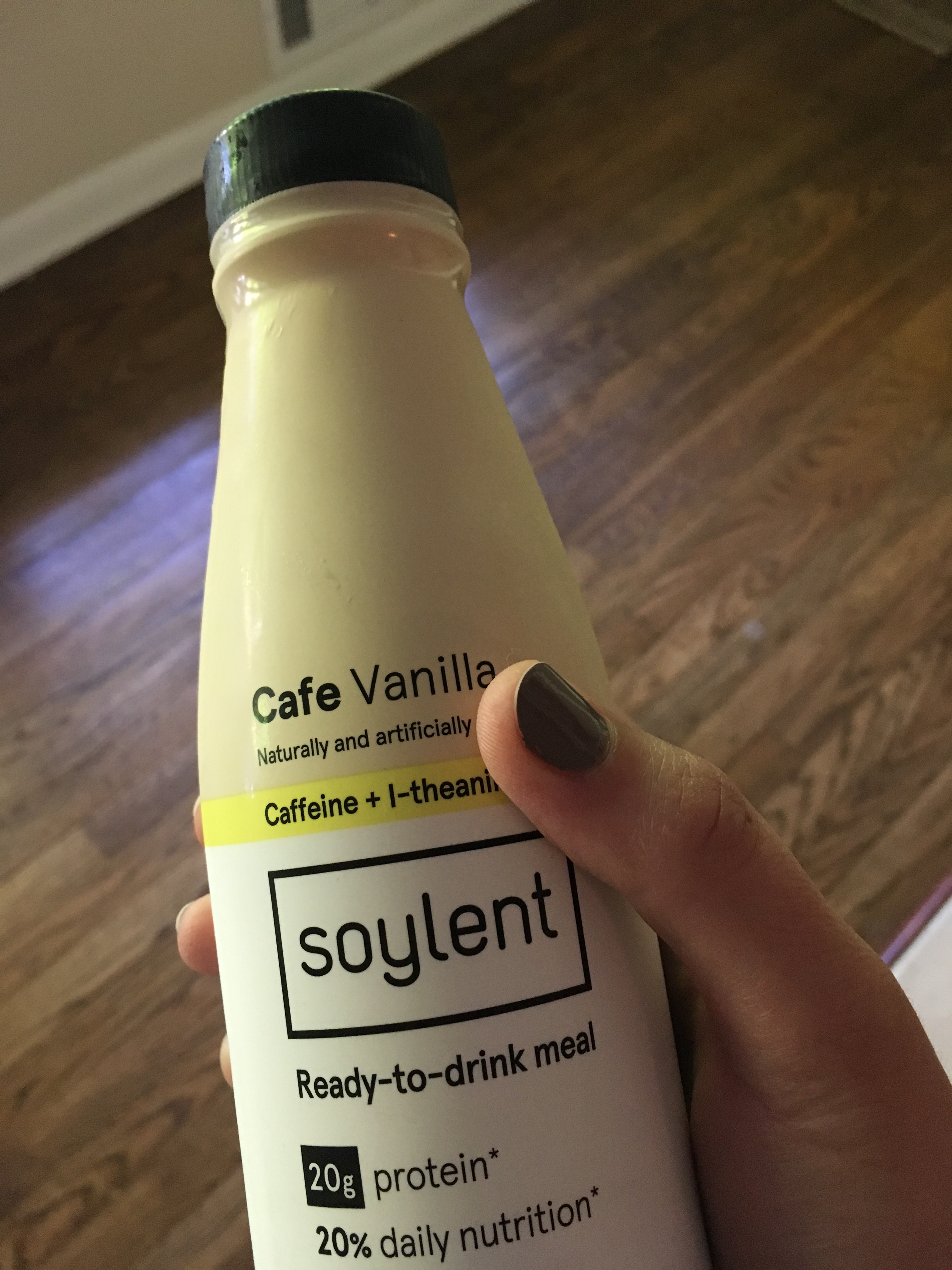
I’m becoming quite the connoisseur of protein drinks. Apparently, this is the beverage of choice for gamers and coders. I’d say it has less of a metallic finish than Ensure, with hints of isomaltulose and soy lecithtin. The bouquet is barfy. Needless to say, I haven’t taken a solid shit in days (gross, I know. If you’re looking for a non-gross blog on cancer’s ravaging of the body, let me know when you find it). On the upside, I have stopped biting my nails. It’s a nervous habit I developed when I was about 9 or 10, but surgery and radiation have made this nearly impossible. I wish quitting had taken less extreme measures–I remember my dad offering to pay me $1 for each nail I stopped biting when I was a kid ($10 was a lot back then!). Maybe I can collect on that offer now.

Radiation: Halfway there

After today’s appointment, I will be halfway through my treatment. I should have been halfway through this past Friday, but a week ago, the server to the radiation machines was down, so they sent me home without treatment one afternoon. I remember this being a little alarming. My doctor assured me that it wouldn’t affect the outcome of my treatment in any way. “The server was down once before,” she said, visibly annoyed. “That was about five years ago.”

It’s strange to think that possibly everything we rely on is vulnerable to some kind of breakdown–even the most advanced technology, state of the art machines, our bodies, our minds… Confronting this truth is difficult and, no doubt, leaves us reaching for all manner of props and crutches that seem more secure, or for distractions that evade it altogether. What are these, for me? I don’t ask because I want to condemn them, but because I want to recognize them more clearly for what they are. My thought is that, in doing so, I might also be better able to recognize their converse–the ways in which I am whole and present and functional now, despite the cancer and the treatment and its side effects.

The other day, when the radiation tech (whom I’ve gotten to know and like a little better) asked how I was doing, I confessed that it was getting harder–that I was in more pain than I had been before. She responded that this was a particularly tough treatment because it takes away a crucial function–several crucial functions, actually–that you’re so used to having (namely, speech and swallowing). It was a relief to have someone inside the medical profession acknowledge how hard this is. It freed me up from having to be so hard on myself.

Of symphonies & superheroes

I made it through Beethoven’s 9th (which was extraordinary), and Spider-Man made it through his treatment. When I walked into the radiation room yesterday afternoon, his little mask was missing from the wall. I asked the tech if he’d finished and she nodded, smiling sadly. She said that he’d wanted to take his mask home with him, and I teared up as they prepped me on the table. Things are becoming rather difficult and painful now. It’s funny–just as I’ve become adjusted to the actual radiation, to my seven minutes in the mask, the remaining 1,433 minutes of each day are proving much more challenging. I have open sores on my tongue and the walls of my mouth, which make it painful to drink, swallow, and even speak. I’m back on the liquid diet I was relegated to just after my surgery, and I pretty much have to force myself to get anything down. I saw my radiation oncologist, Dr. Higgins, yesterday (I see her every Tuesday), and she prescribed some new pain medication to help with these side effects. We will most likely increase its dosage with each remaining week of treatment. I’m having trouble envisioning the end now–envisioning myself making it to the end–but Spider-Man did it, so maybe I can, too.

Salivation Station

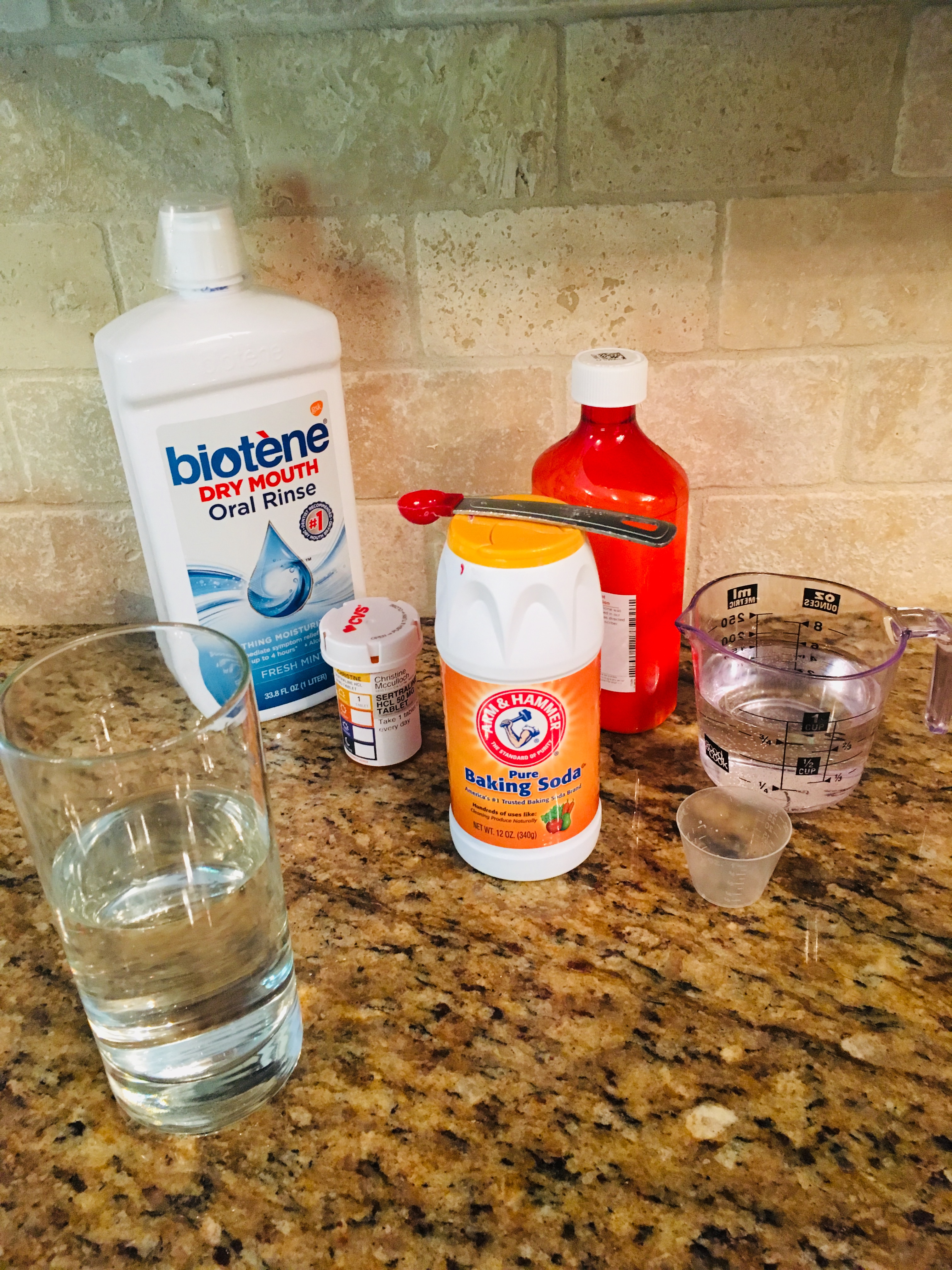
Although it’s nice to have a reprieve from radiation on the weekends, that also seems to be when the side effects crop up with a vengeance. And this weekend they’ve been particularly rough. I’m not sleeping well because my mouth is painfully dry and sore (while Biotene claims to offer 4 hour relief from dry mouth, I get out of bed to use it every 2-3 hours). Last night’s dinner might also have been a Last Supper of sorts for me; this morning, I could barely eat applesauce. Everything tastes somehow both bland and sour, and it’s become quite difficult to chew and swallow. Oh yeah, and talk. Which makes this Sunday a good one on which to be seeing the Atlanta Symphony Orchestra perform Beethoven’s 9th. I bought the tickets well before my diagnosis as a Christmas gift for my husband. I’m hoping it will be as powerful and immersive as it was the first time I heard it performed live in Seattle, and that I manage to make it through the whole thing.

Not gonna lie…

It’s been a crappy couple of days. I don’t feel like being funny or wringing some kind of meaning out of the wet rag that has been this week. Yesterday, I broke down in the speech therapist’s office when I realized that there was a whole new set of tongue and swallowing exercises I needed to be doing to prevent dysphagia, something I’ve never heard of that sounds scary. (The past few months have been full of things I’ve never heard of that sound scary.) Also, my jawline is swollen, which might be the result of Lymphedema or the radiation; neither the speech therapist nor the radiation tech could tell me for sure. There are red hatch marks under my chin from the mask, I felt exhausted by 4pm yesterday, and I’m already waking up in the middle of the night with dry mouth. I feel like I’m not allowed to be having a bad week since I only began radiation on Monday, and it’s supposed to get considerably harder from here. But I’m having a bad week, nonetheless. Adapting, I guess. It’s all still so new and surreal. Tony was not a man of his word; I’ve had a different radiation tech every afternoon and have found them all lacking in bedside manner. They act like I should know the drill by now, and betray exasperation when I reveal that I don’t. Which direction do I lie down on the table? Tongue depressor first or mask first? There’s also music playing during my treatments that, while intended to soothe, has been unnervingly inconsistent. I realize this is a first-world problem, but I’ve found it kind of jarring to listen to playlists that range from the Spice Girls’ “Wannabe” to classical in a single session. I’m often the youngest person in the waiting room and sit there resenting this, then go back to the radiation area where all of the patients’ masks hang, freakily, on a pegboard on the wall, two of which are clearly for children (one’s decorated as Spider-Man, the other has a fuzzy tiger hood over it). And then I feel like a total jackass.

Happy Halloween

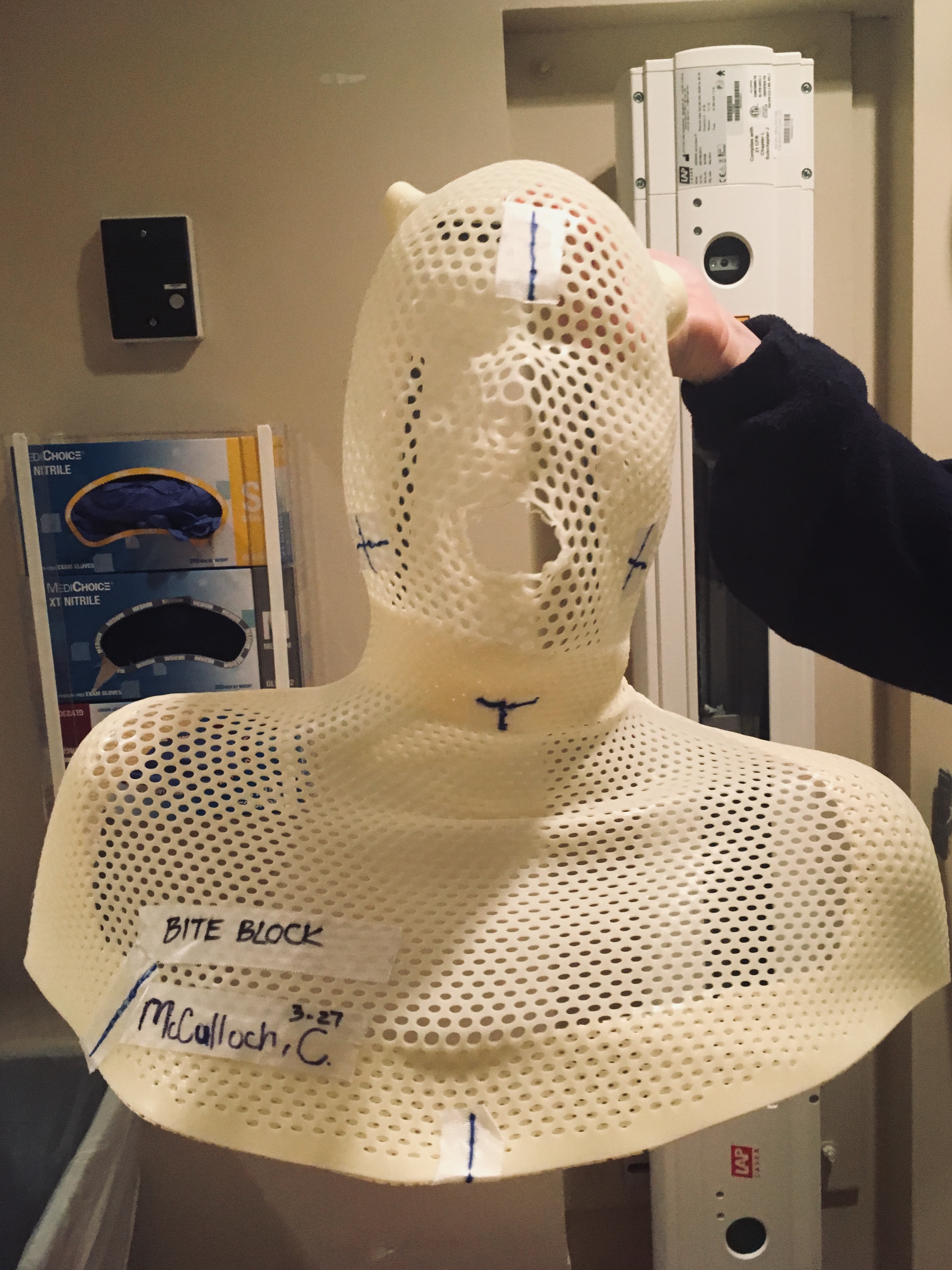
So this is how I spent Friday afternoon. I had to return to the radiation oncologist’s office to have a mold made for my upcoming treatments. It looks like a cross between the Jason mask and medieval chainmail a la the cover of Seamus Heaney’s Beowulf (incidentally, another text I teach my seniors. Here’s hoping I only have to fight this monster once).

Before we began, the radiation technician asked if I was claustrophobic. I told her I didn’t think so, but then again, I’d never done anything like this before. She proceeded to lay me down on the narrow table they use for CT scans and MRIs, lock my wrists in a hold, align my body with a laser overhead, and drape this dripping hot wax/plastic/rubber sheet over my head and shoulders. Panic didn’t set in until they placed a large foam tongue depressor in my mouth and fastened the mask to the table. I may not be claustrophobic, but I am HUMAN, and nothing about the situation felt like a human should be in it, let alone for twenty minutes.

I could only breathe through my nose, had difficulty swallowing, and would compare the experience to that of being in a coffin or straightjacket. The tech then ran me through a CT “simulator” which took images that my doctor will use to develop my radiation plan (i.e. where, precisely, the beam will be targeted). I asked them to tell me when it had been five minutes, ten minutes, etc., which helped assuage my anxiety ever so slightly. Somehow, I got through it. As soon as I was out of the contraption and sat up, tears began streaming down my cheeks. Was it relief? Sadness that I’m having to go through this at all? A number of reasons seem, to me, altogether plausible, but the tech looked puzzled. “I’m going to ask the doctor to get you a prescription for Ativan,” she concluded.

I know it’s just another day at work for them, but for patients going through this for the first time, it’s like being deposited on another planet with alien customs and an alien tongue. Someone else’s surprise that you’re having trouble adapting, rapidly, to a cancer diagnosis and its treatment is one of the harder things I’ve had to deal with thus far (and, thankfully, I haven’t encountered it much). Maybe I’ll ask the doctor to get her a prescription for Sympathan.